

毎日10分通訳練習 ⑦ 語彙練習 応用編

======================
通訳語彙を「実戦で使えるレベル」に拡張する
======================
通訳の練習を続けているのに、聞き取れているはずの内容がうまく再現できない。
少し抽象度が上がると急に追えなくなる。
こうした悩みの多くは、リテンションやメモの問題ではなく、語彙不足から生まれます。発話を正確に理解し、意味の単位ごとに記憶し、再現するには、一定量の語彙が必要になります。
前回はSAT単語を徹底的に暗記することを勧めました。なぜSATの単語集を勧めるのか。理由は単純で、語彙数が圧倒的に多いからです。通訳訓練においては、まず理解できる語彙の量を一気に引き上げる必要があります。SAT語彙はその土台を作るために非常に効率のよい素材です。
============
SAT語彙の特徴
============
・想定語彙:5,000〜10,000語以上
・特徴:
英語話者の大学進学レベルの抽象語・学術語が多い
同義語群・語形成・語源まで広がる
テスト対策型なので語彙量はかなり大きい
読むための語彙が中心(運用は別)
単語には大きく分けて2種類あります。認識語彙と運用語彙です。認識語彙は、読んだり聞いたりしたときに意味が分かる語彙。運用語彙は、自分が話したり書いたりするときに使える語彙です。通訳訓練で最初に優先すべきなのは認識語彙です。認識できない言葉は再現できません。理解できない発話を通訳することは不可能だからです。
前回の記事では、この認識語彙を一気に増やすためにSAT語彙の暗記を基礎訓練として位置づけました。実際に取り組んだ受講生の多くが、英語の理解速度や情報保持の安定感にポジティブな変化を感じています。
今回はその次の段階です。覚えた語彙を土台にして、語彙プールをさらに拡大していきます。
ここで言う語彙学習は精神論ではありません。これは「修行」ではなく「修業」です。つまり、心の持ち方を磨く「修行」ではなく、通訳という技能を支える基礎技術の「修業」です。好きかどうかではなく、必要だからやる訓練 (修業)です。
語彙を覚えたら、そこで終わりではありません。SAT語彙を軸にして英語の新聞、雑誌、小説を読み進めることで、語彙は文脈の中で連鎖的に広がっていきます。既に知っている語を足場に、関連語や新しい語が増えていくからです。逆に、基礎語彙が不足したまま読むと、1ページに何十語も分からない単語が並び、読書そのものが訓練にならなくなります。
よく「簡単な英語の本から読め」という助言があります。しかし通訳訓練として語彙を拡大する場合、方法論は違います。重要なのは難易度の低さではなく、既存語彙を軸にして語彙を増やせる状態を作ることです。その土台があれば、新聞、雑誌、小説は語彙拡張のための強力な素材になります。
ここでは、英語の新聞・雑誌・小説を語彙拡大のためにどう使い分けるべきか。どの程度読むと効果が出るのか、を具体的に整理していきます。
SAT語彙を土台に、認識語彙を拡大し、それを通訳に使える力へとつなげていく。そのための実践的な方法をここからまとめていきます。
======================
SAT語彙を「文脈」に入れる:人工例文
======================
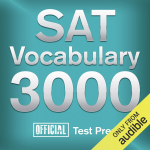
前回紹介した Official SAT Vocabulary 3000 の Hard Words Exercise - 1 から、以下の11語を使って人工的に文章を作成してみました。
Vocabulary:
apostasy: 背教、離反、信条や立場からの離脱
jurisdiction: 管轄権、権限の及ぶ範囲
exuberant: 活気に満ちた、熱烈な
fulsome: 大げさな、過度にお世辞めいた
proliferate: 急増する、急速に広がる
erosion: 浸食、徐々に衰えること
apperceive: (経験や文脈の中で)知覚・理解する
modiste: 婦人服の仕立て屋、モディスト
soliloquize: 独り言を言う、独白する
imitable: 模倣できる、見習える
ergo: それゆえに、したがって
では、実際の文脈の中で見ていきます。
文章①(人工例文)
These days, American society feels less like one big family and more like a group chat where everyone’s got their own opinion and nobody can agree. Traditions that once seemed unbreakable are now fair game for apostasy—people just walk away from what used to be the norm. On campus, students challenge everything, and suddenly questions about jurisdiction pop up: who really gets to make the rules, the school, the government, or just the crowd online?
Arguments online get exuberant in a hurry, and sometimes people try so hard to be supportive that their words end up sounding fulsome, not real. Opinions proliferate at lightning speed—by the time you’ve finished reading one thread, five more have started. It’s easy to lose the thread, and before you know it, there’s this slow erosion of trust between groups. That’s why it matters to step back and apperceive what’s really going on, seeing how your own views fit into the bigger picture.
There’s this modiste who runs a tiny shop near campus, and she once told me that fashion changes as quickly as people’s opinions—what’s trendy now might be cringe next semester. It seems like everyone wants to be imitable, to fit in, even though we all talk about being original. I admit, I sometimes soliloquize about this stuff in my dorm, wondering if we’re actually coming together or just splitting apart even more. Honestly, who knows; ergo, maybe our real job is to stay thoughtful, not jump to easy answers, and figure out how to disagree without everything falling apart.
要約(日本語)
アメリカ社会は、ひとつの家族というより、全員が別々の意見を言い合ってまとまらないグループチャットのように見える。伝統や「当たり前」は簡単に手放され、大学でもネットでも、誰がルールを決めるのかという権限の問題が浮かび上がる。議論はすぐに過熱して拡散し、うわべの応援や賛同が増える一方で、集団間の信頼はゆっくり削れていく。流行の移り変わりのように世論も変わり、人々は独自性を語りつつも、周りから浮かないようにする立場を選びがちだ。だからこそ、安易な答えに飛びつかず、全体像を見て、対立しても社会が壊れない形で議論を続けることが大事である。
次は最近のロイターの記事です。
======================
Reutersで見る:ニュース語彙
======================
Vocabulary:
appeal: 控訴する、上訴する
reverse: 判決を覆す
readmit: 復学させる、再入学を認める
expelled: 退学処分にされた
administrators: 大学当局、学校運営側
pattern: 一連の傾向、繰り返される行動
disruptive: 秩序を乱す、混乱を招く
controversial: 議論を呼ぶ、物議を醸す
abolished: 廃止される、排除される
merit: (保護に)値する、正当性がある
protection: 保護(ここでは言論の自由による保護)
Constitution: 憲法
antagonistic: 敵対的な、挑発的な
culminated: 最終的に~に至った
significantly: 重大に、大きく
crucial: 極めて重要な
discipline: 懲戒処分を科す
cracked down: 取り締まりを強化した、厳しく対処した
rampant: 蔓延している、横行している
suspended: 停学処分にした
material: 重大な、実質的な
substantial: 相当な、深刻な
preliminary: 暫定的な、仮の
injunction: 差し止め命令
violated: 侵害した、違反した
panel: (裁判官の)合議体
opinion: 判決理由、見解
public interest: 公共の利益
mitigating: 軽減する、抑える
alleged: 申し立てられている、疑惑の
impact: 影響
perceived: ~と受け取られた、認識された
testified: 証言した
complaints: 苦情、申し立て
実際のロイターの記事の中で見てみます。
文章②(Reuters)
Appeal tests campus free speech in expelled Florida law student's case
By Karen Sloan
February 4, 2026
Feb 3 (Reuters) - The University of Florida has asked a federal appeals court to reverse a judge's order that it readmit an expelled law student who administrators say demonstrated a “pattern of disruptive behavior,” in a case testing campus free speech rights.
The university said in an opening brief filed Monday in the U.S. Court of Appeals for the 11th Circuit that ex-student Preston Damsky’s controversial statements about race and religion — including a post on X that said, “Jews must be abolished by any means necessary” — were true threats of violence that do not merit protection under the U.S. Constitution’s First Amendment.
“In the spring of 2025, Damsky’s antagonistic behavior culminated in threats that significantly disrupted UF’s law school near final exams, significantly harming students’ rights and education during a crucial time in their studies,” the university said.
Damsky’s attorney, Anthony Sabatini, did not immediately respond to a request for comment Tuesday. A University of Florida spokesperson declined to comment.
University free speech debates have intensified during U.S. President Donald Trump's second term as his administration cracked down on protests and what it has decried as rampant campus antisemitism. University employees also faced discipline for their responses to the September killing of conservative activist Charlie Kirk.
The University of Florida suspended Damsky in April, saying his presence on campus “created a material and substantial disruption." He sued the school after he was expelled in October.
U.S. District Judge Allen Winsor in November issued a preliminary injunction requiring the university to readmit Damsky, finding it had not shown that Damsky’s statements online and in academic papers were true threats of violence and that his expulsion likely violated his free speech rights.
A three-judge panel of the 11th Circuit disagreed in January, with two judges signing on to an opinion that put the November ruling on hold after finding there is a “strong public interest” in mitigating campus violence.
The university’s latest brief, which asks the 11th Circuit to reverse the November preliminary injunction, offers further detail on Damsky’s alleged conduct and its impact on the law school.
In one incident during his first year, Damsky violently kicked at a glass door and berated a school employee aggressively as he tried to enter a building, the university said.
He submitted two academic papers that were perceived as “calls for racial violence,” and that argued that the U.S. was founded as a "race-based nation-state" to preserve the white race, the university said. One faculty member slept with a baseball bat next to her for several weeks after clashing with Damsky on social media, according to the brief.
During a university hearing on Damsky’s conduct, the interim dean of the law school testified that she had spent “significant time” over two years fielding complaints about Damsky from other students, according to the university.
要約(日本語)
フロリダ大学は、退学処分とした法科大学院生の復学を命じた地裁の仮処分命令を取り消すよう、第11巡回区控訴裁に求めた。この事件は、大学キャンパスにおける言論の自由と安全確保の境界を問うものとなっている。大学側は、当該学生が人種・宗教をめぐり過激な発言を行い、暴力の脅迫に当たる「true threats」であり、合衆国憲法修正第1条の保護対象ではないと主張する。地裁は大学側が脅迫性を十分示していないとして復学を命じたが、控訴審の合議体は1月に「キャンパス暴力を抑止する公共の利益」を理由に地裁命令を停止した。大学側は今回の準備書面で、学生の行為が試験前の学習環境を大きく混乱させたなどとして、処分の正当性を改めて主張している。
次はスティーブン・キングの小説の序章からの抜粋です。
======================
小説で補う:描写語彙と語感
======================

King, Stephen (2016). The Dead Zone
語彙に関して言えば、SATの高校上級レベル語彙です。
「難単語」ではなく、情景描写・心理描写の語彙層としてSAT長文で頻出する語彙と言えます。
Vocabulary:
hard put to remember: 思い出すのが難しい
grammar school: 小学校
cleared patch: (雪などが)取り除かれた場所
time immemorial: 太古の昔から
comically: 滑稽に
frosty: 霜の降りた、凍えるような
sootily: すすを出して、煤けて
distant: まだ遠い将来の
consisted of: ~から成っていた
exercising: 体を動かすこと
hung over his shoulder: 肩に掛けていた
pretty fair: かなり上手な
skate rings around: ~よりずっと上手に滑る
pinwheeling: (腕を)風車のように振り回す
sprawling: 手足を投げ出して倒れる
outer edge: 外側の縁
thud: 鈍い音
crackle: パリパリと音を立てる
mysteriously: 不思議な感じで
rumble: 低く響く音
murmur: 小声のざわめき
troubled: 悩ませた
fair (winter day): 穏やかで気持ちのよい
glad to be alive: 生きているのが嬉しい
文章③(Stephen King)
By the time he graduated from college, John Smith had forgotten all about the bad fall he took on the ice that January day in 1953. In fact, he would have been hard put to remember it by the time he graduated from grammar school. And his mother and father never knew about it at all.
They were skating on a cleared patch of Runaround Pond in Durham. The bigger boys were playing hockey with old taped sticks and using a couple of potato baskets for goals. The little kids were just farting around the way little kids have done since time immemorial—their ankles bowing comically in and out, their breath puffing in the frosty twenty-degree air. At one corner of the cleared ice two rubber tires burned sootily, and a few parents sat nearby, watching their children. The age of the snowmobile was still distant and winter fun still consisted of exercising your body rather than a gasoline engine.
Johnny had walked down from his house, just over the Pownal line, with his skates hung over his shoulder. At six, he was a pretty fair skater. Not good enough to join in the big kids’ hockey games yet, but able to skate rings around most of the other first graders, who were always pinwheeling their arms for balance or sprawling on their butts.
Now he skated slowly around the outer edge of the clear patch, wishing he could go backward like Timmy Benedix, listening to the ice thud and crackle mysteriously under the snow cover farther out, also listening to the shouts of the hockey players, the rumble of a pulp truck crossing the bridge on its way to U.S. Gypsum in Lisbon Falls, the murmur of conversation from the adults. He was very glad to be alive on that cold, fair winter day. Nothing was wrong with him, nothing troubled his mind, he wanted nothing . . . except to be able to skate backward, like Timmy Benedix.
(補足:作品紹介・日本語)
スティーヴン・キングの小説『The Dead Zone』は、超能力を得てしまった一人の男が「未来を変えるべきか」という倫理的選択に直面する物語です。
主人公ジョニー・スミスは、交通事故によって数年間昏睡状態に陥ります。目覚めた後、彼は人や物に触れることで、その過去や未来の断片を見てしまう能力を得ていることに気づきます。この力によって、行方不明事件や殺人事件の捜査に関わることになりますが、能力は彼の身体と精神を大きく消耗させ、普通の生活を奪っていきます。
物語の核心は、ジョニーが新進気鋭の政治家グレッグ・スティルソンに触れたとき、その人物が将来アメリカ大統領となり、核戦争を引き起こす未来を見てしまうことです。ジョニーは、その未来を阻止するために行動すべきか、それとも一個人として手を出すべきではないのかという、極めて重い決断を迫られます。
タイトルの「デッド・ゾーン」は、彼の脳の損傷によって生じた「見えない領域」を指し、同時に、未来が見えてしまうがゆえに自由に生きられない彼自身の状態も象徴しています。小さな町の静かな生活、能力の代償、政治的暴走への不安が重なり、個人の選択が社会全体の運命に影響するという緊張感のある心理サスペンス作品です。
======================
結論:どの語が「現実ライン」か
======================
大学教育を受けた平均的なアメリカ人という前提なら、
①の太字単語はSAT上位〜文学語で、日常的ではない。教育レベルによっては知らない人もいる。
②のロイター記事はすべて辞書なしで読める。
③の小説文は余裕を持って楽しみながら読める。
というレベル感です。
以下、現実的なラインを整理します。
────────────────
ほぼ全員が辞書なしで読める
────────────────
以下の単語は大学卒ならまず問題なし。
apostasy
jurisdiction
exuberant
proliferate
erosion
imitable
crucial
controversial
substantial
impact
violate
appeal
expelled
suspended
complaints
→ 読めるし運用もできる
→ SAT基礎〜中核語彙
特に
jurisdiction
proliferate
erosion
はニュース・大学文章で頻出です。
────────────────
読めるが人により差
────────────────
fulsome
antagonistic
mitigating
perceived
discipline(動詞用法)
material(法律文脈)
preliminary
injunction
→ 大学卒の英語話者なら分かる
→ 高卒レベルでも文脈で推測できる
────────────────
全員は分からない
────────────────
apperceive
modiste
soliloquize
ergo
→ かなり上位
→ 大学卒でも差が出る
→ 読書経験が多い人ほど強い
────────────────
Stephen King 部分
────────────────
これは別枠です。
平均的なアメリカ人が辞書なしで読める語彙層で、SAT対策としてはむしろ易しい部類です。
======================
あなたの語彙レベルはどこを目指すべきか
======================
ここで想定しているのは、通訳者、とくに会議通訳者を目指す訓練生です。
会議通訳者とは、国際会議や専門会合で発言内容を別の言語に正確に訳す通訳者です。国際会議、政府間協議、学会、記者会見など、専門性が高く影響の大きい場面で働きます。同時通訳と逐次通訳の両方が高いレベルでできる専門職です。
会議通訳者レベルではなくても、通訳者は、仕事に誠実であろうとすれば、英語話者と同じくらいの「認識語彙」は知っておくべきだと思っています。
======================
素材の違い:新聞・エッセー・小説
======================
通訳訓練生が語彙を増やすために英語の文章を使う場合、新聞・エッセー (意見記事)・小説は同じ「読む素材」ではありません。役割が違います。
最も効果が出るのは、役割を分けて使うことです。
前提として、通訳に必要な語彙の中心は
日常語でも専門語でもなく
大学教育レベルの抽象語彙です。
最も効率のよい素材は新聞とエッセーです。
そのうえで、小説を加えると語感と描写力が補われます。
============
新聞の役割
============
語彙の骨格を作る
Reuters、USA TODAY、Guardian などは語彙が安定していて使いやすい媒体です。
appeal
violate
substantial
mitigate
alleged
crucial
impact
こうした語は、会議でもニュースでも出ます。
やり方は単純です。
1記事を全部読む必要はありません。
数段落で十分です。
・その段落から覚えたい語彙を5語抜く
・メモに書き出し、意味を書く
・何度か音読する
これを毎日行うと、語彙の骨格ができます。
============
エッセーの役割
============
抽象語彙を厚くする
新聞記事だけでは語彙が足りません。
通訳で崩れるのは、抽象語が足りないときです。
ここでエッセー(新聞の意見記事)を使います。
毎日読む素材として勧められるのは次の3つです。
USA TODAY opinion
Guardian opinion
New York Times Opinion
それぞれ役割が違います。
USA TODAY
語彙が標準的で読みやすい。日課用に最適。
Guardian
社会・政治語彙が豊富。
NYT Opinion
法律・政治語彙が強い。少し難度が上がる。
エッセーで鍛える語は、
authority
norm
framework
cohesion
collective
narrative
この層です。
ここが弱いと、通訳は必ず崩れます。
やり方は同じです。
全文を読む必要はありません。
数段落でいい。
・抽象語を抜く
・単語をメモに抜き出し意味を書く
・音読する
============
小説の役割
============
語感と描写語彙を作る
小説は優先度としては3番目です。
しかし重要です。
小説で鍛えるのは抽象語ではなく、
感覚・感情語彙です。
murmur
linger
hesitate
glance
steady
grip
こういう語は、
インタビュー
スピーチ
人間描写
で必須です。
また小説は、
語順
リズム
自然な表現
を頭に入れるのに最適です。
やり方は、
・1ページから動詞や名詞を抜く
・ノートに書き出し意味を書く
・音読する
これで十分です。
語彙増強のためには小説は量を読む必要はありません。
15分でいい。
============
全体の理想配分
============
毎日
新聞 20分
エッセー 15分
週3
小説 15分
これで通訳語彙はかなり整います。
============
最も重要な原則
============
継続させるには、
読む量を増やさないこと。
語彙を定着させること。
通訳訓練生の典型的な誤りは「多読」です。
多読ではなかなか語彙は増えません。
「意識的な暗記」と「反復」が欠かせません。
このやり方のほうが、はるかに効果があります。
============
まとめ
============
新聞
語彙の骨格を作る
エッセー
抽象語彙を厚くする
小説
語感と描写語彙を作る
この順で使うと、通訳に必要な語彙層が最短で整います。
ぜひ今日から実行に移してください。
(文・Jay Hirota)
If you are ready to work more seriously on interpreting, our classes offer opportunities to develop and refine your skills, matched to your level.
© Ichthus Interpreter School. All rights reserved.