

毎日10分通訳練習 ⑧ 語彙の音声認識練習

======================
通訳語彙を「耳で認識できるレベル」に引き上げる
======================
これまでは、SAT単語集や新聞、小説などの活字を使って認識語彙を増やし、頭の中に大きな「語彙プール」を作る訓練について書いてきました。
今回はその次の段階です。覚えた語彙を、実際の英語音声の中で瞬時に認識できるか。ここを鍛えます。通訳は翻訳と違い、文字ではなく音声言語を扱います。単語を文字で知っているだけでは不十分で、聞いた瞬間に意味が立ち上がる状態まで引き上げておく必要があります。
結論はシンプルです。発音できない単語は、耳でも拾えません。文字で覚えた認識語彙は、発音とセットで記憶しておく必要があります。
============
練習素材は Audible と Reuters で十分です
============
音認識の練習では、教材を増やすより、反復できる安定素材を固定するほうが効果が出ます。
- Audible の小説朗読
情景描写と評価語が多く、音の流れがきれいなので、音のまとまりを追う練習に向きます。 - Reuters のニュース読み上げ
固有名詞と時事用語が連続するので、時事問題の語彙に直結します。
ここでは、Stephen King の The Dead Zone と、ロイター記事を例にします。小説は古典的なものよりも現代作家の小説がいいでしょう。
======================
Audibleで聞く 小説の描写語彙を「音」で拾う
======================
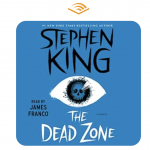
まず、認識語彙を確認します。意味を見たら、次に音を固定します。
Vocabulary
hard put to remember: 思い出すのが難しい
grammar school: 小学校
cleared patch: 雪などが取り除かれた場所
time immemorial: 太古の昔から
comically: 滑稽に
frosty: 霜の降りた、凍えるような
sootily: すすを出して、煤けて
distant: まだ遠い将来の
consisted of: から成っていた
exercising: 体を動かすこと
hung over his shoulder: 肩に掛けていた
pretty fair: かなり上手な
skate rings around: よりずっと上手に滑る
pinwheeling: 腕を風車のように振り回す
sprawling: 手足を投げ出して倒れる
outer edge: 外側の縁
thud: 鈍い音
crackle: パリパリと音を立てる
mysteriously: 不思議な感じで
rumble: 低く響く音
murmur: 小声のざわめき
troubled: 悩ませた
fair: 穏やかで気持ちのよい
glad to be alive: 生きているのが嬉しい
次に、IPA (国際音声記号) で音を固定します。発音記号が読みにくい場合は、電子辞書やオンライン辞書の読み上げ機能で確認します。意味と発音はセットで入れるのが実用的です。
発音
hard put to remember /hɑːrd pʊt tu rɪˈmɛmbər/
grammar school /ˈɡræmər skuːl/
cleared patch /klɪrd pætʃ/
time immemorial /taɪm ˌɪməˈmɔːriəl/
comically /ˈkɒmɪkli/
frosty /ˈfrɔːsti/
sootily /ˈsʊtɪli/
distant /ˈdɪstənt/
consisted of /kənˈsɪstɪd əv/
exercising /ˈɛksərsaɪzɪŋ/
hung over his shoulder /hʌŋ ˈoʊvər hɪz ˈʃoʊldər/
pretty fair /ˈprɪti fɛr/
skate rings around /skeɪt rɪŋz əˈraʊnd/
pinwheeling /ˈpɪnˌwiːlɪŋ/
sprawling /ˈsprɔːlɪŋ/
outer edge /ˈaʊtər ɛdʒ/
thud /θʌd/
crackle /ˈkrækəl/
mysteriously /mɪˈstɪriəsli/
rumble /ˈrʌmbəl/
murmur /ˈmɜːrmər/
troubled /ˈtrʌbəld/
fair /fɛr/
glad to be alive /ɡlæd tu bi əˈlaɪv/
Audio
https://drive.google.com/file/d/16VK_wwjwd47psgplIQhIXRqixr1P7ndk/view?usp=sharing
本文(Stephen King, The Dead Zone)
By the time he graduated from college, John Smith had forgotten all about the bad fall he took on the ice that January day in 1953. In fact, he would have been hard put to remember it by the time he graduated from grammar school. And his mother and father never knew about it at all.
They were skating on a cleared patch of Runaround Pond in Durham. The bigger boys were playing hockey with old taped sticks and using a couple of potato baskets for goals. The little kids were just farting around the way little kids have done since time immemorial—their ankles bowing comically in and out, their breath puffing in the frosty twenty-degree air. At one corner of the cleared ice two rubber tires burned sootily, and a few parents sat nearby, watching their children. The age of the snowmobile was still distant and winter fun still consisted of exercising your body rather than a gasoline engine.
Johnny had walked down from his house, just over the Pownal line, with his skates hung over his shoulder. At six, he was a pretty fair skater. Not good enough to join in the big kids’ hockey games yet, but able to skate rings around most of the other first graders, who were always pinwheeling their arms for balance or sprawling on their butts.
Now he skated slowly around the outer edge of the clear patch, wishing he could go backward like Timmy Benedix, listening to the ice thud and crackle mysteriously under the snow cover farther out, also listening to the shouts of the hockey players, the rumble of a pulp truck crossing the bridge on its way to U.S. Gypsum in Lisbon Falls, the murmur of conversation from the adults. He was very glad to be alive on that cold, fair winter day. Nothing was wrong with him, nothing troubled his mind, he wanted nothing . . . except to be able to skate backward, like Timmy Benedix.
聞き方のコツ(小説)
この文章は会話ではなく情景描写なので、一語ずつ拾うより、かたまりで聞いたほうが安定します。特に意識するのは3種類です。
動きの語
skating, pinwheeling, sprawling などは、訳語より先に情景のイメージで拾います。
環境音
thud, crackle, rumble, murmur は意味にせず、音の質感として耳に残します。
評価語
pretty fair, frosty, fair, mysteriously は「雰囲気」を決める語です。強い意味処理をせず、穏やか、冷たい、少し不気味、程度の雰囲気だけを取ります。
======================
Reutersで聞く ニュース語彙を「音」で拾う
======================

次は、時事トピックに直結する語彙です。こちらも、意味と音をセットで固定します。
単語(IPA付き)
supreme leader /suːˈpriːm ˈliːdər/: 最高指導者
depose /dɪˈpoʊz/: 追放する、政権を倒す
indirect talks /ˌɪndəˈrɛkt tɔːks/: 間接協議
nuclear dispute /ˈnuːkliər dɪˈspjuːt/: 核問題をめぐる対立
military buildup /ˈmɪləˌtɛri ˈbɪldʌp/: 軍備増強
regime change /rɪˈʒiːm tʃeɪndʒ/: 体制転換
deploy /dɪˈplɔɪ/: 配備する
drill /drɪl/: 軍事演習
Strait of Hormuz /streɪt əv ˈhɔːrmʊz/: ホルムズ海峡
envoy /ˈɛnˌvɔɪ/: 特使
mediate /ˈmiːdieɪt/: 仲介する
foreign minister /ˈfɔːrən ˈmɪnɪstər/: 外相
negotiations /nɪˌɡoʊʃiˈeɪʃənz/: 交渉
make a deal /meɪk ə diːl/: 合意する
consequences /ˈkɑːnsɪˌkwɛnsɪz/: 結果、代償
knock out /nɑːk aʊt/: 無力化する
nuclear potential /ˈnuːkliər pəˈtɛnʃəl/: 核能力
force out /fɔːrs aʊt/: 追い出す
Islamic Revolution /ɪzˈlɑːmɪk ˌrɛvəˈluːʃən/: イスラム革命
crippling sanctions /ˈkrɪplɪŋ ˈsæŋkʃənz/: 壊滅的な制裁
lift sanctions /lɪft ˈsæŋkʃənz/: 制裁を解除する
unrealistic demands /ˌʌnˌriːəˈlɪstɪk dɪˈmændz/: 非現実的な要求
Audio (Reuters のアプリには読み上げ機能がついています)
https://drive.google.com/file/d/1OxbbadXLeu2HMKppIAGzVZDDFMVAM6tf/view?usp=sharing
記事(Reuters)
US and Iran begin nuclear talks in Geneva as threat of war looms, Khamenei warns Trump
GENEVA, Feb 17 (Reuters) — Iran’s supreme leader warned Tuesday that U.S. attempts to depose his government would fail, as Washington and Tehran began indirect talks in Geneva over their long-running nuclear dispute amid a U.S. military buildup in the Middle East.
The United States, which joined Israel in bombing Iran’s nuclear facilities in June, has deployed forces to the region, and U.S. President Donald Trump has said “regime change” in Iran may be the best outcome. Iran on Monday conducted its own drill in the Strait of Hormuz, a key oil shipping route.
U.S. envoy Steve Witkoff and Jared Kushner are taking part in the negotiations, mediated by Oman, alongside Iranian Foreign Minister Abbas Araqchi, a source briefed on the matter said.
Trump said he would be involved “indirectly” in the Geneva talks and believed Tehran wanted to reach an agreement. “I don’t think they want the consequences of not making a deal,” he told reporters aboard Air Force One. “We could have had a deal instead of sending the B-2s in to knock out their nuclear potential. And we had to send the B-2s.”
Soon after the talks began, Iranian media quoted Supreme Leader Ayatollah Ali Khamenei as saying Washington could not force out his government. “The U.S. President says their army is the world’s strongest, but the strongest army in the world can sometimes be slapped so hard it cannot get up,” he said.
A senior Iranian official said the success of the Geneva talks would depend on the United States avoiding unrealistic demands and showing seriousness about lifting economic sanctions on Iran.
聞き方のコツ(ニュース)
ニュースは一語拾いより、意味ブロックで聞くほうが通訳向きです。枠は4つで十分です。
政権
supreme leader, depose, force out
軍事
military buildup, deploy, drill
交渉
indirect talks, negotiations, make a deal
制裁
crippling sanctions, lift sanctions, unrealistic demands
この4枠に放り込むように聞くと、多少取りこぼしても全体が残ります。
======================
通訳訓練としての練習手順
======================
練習は短く、同じ型で反復します。これが一番伸びます。
- 原文を見ずに聞きます
まず耳だけで音を取ります。 - 半拍遅れで復唱します
意味を考え込まず、聞こえた音だけを真似します。通訳の土台になる聞き方ができます。 - 原文で確認します
聞こえた形と実際の語を照合し、次回の聞こえ方を修正します。
同じ素材は3回繰り返します。
1回目は流れ、2回目は重要語、3回目は連結の確認です。
============
まとめ
============
活字で増やした認識語彙は、音として認識できて初めて通訳の武器になります。Audibleの小説では描写・感情語と評価語の音を拾う力を作れます。Reutersでは固有名詞と時事関連語を意味ブロックで取る力を作れます。
この2素材を同じ手順で短時間反復すると、音を先に捉えて意味は仮置きし、流れを止めずに処理する聞き方が安定していきます。
(文・Jay Hirota)
ーーーーーーーーーーーーーー
If you are ready to work more seriously on interpreting, our classes offer opportunities to develop and refine your skills, matched to your level.
© Ichthus Interpreter School. All rights reserved.